
History was made in Beijing as North Korean leader Kim Jong-un arrived for a major diplomatic event, with his daughter, Kim Ju-ae, making her first international appearance. The unprecedented trip adds a new dimension to the ongoing diplomatic flurry in the Chinese capital, where dozens of global leaders have gathered. Her presence alongside her father, traveling by armored train, has captured global attention and fuels speculation about her future role. It is a powerful symbolic gesture from Pyongyang, underscoring its relationship with China and Russia.
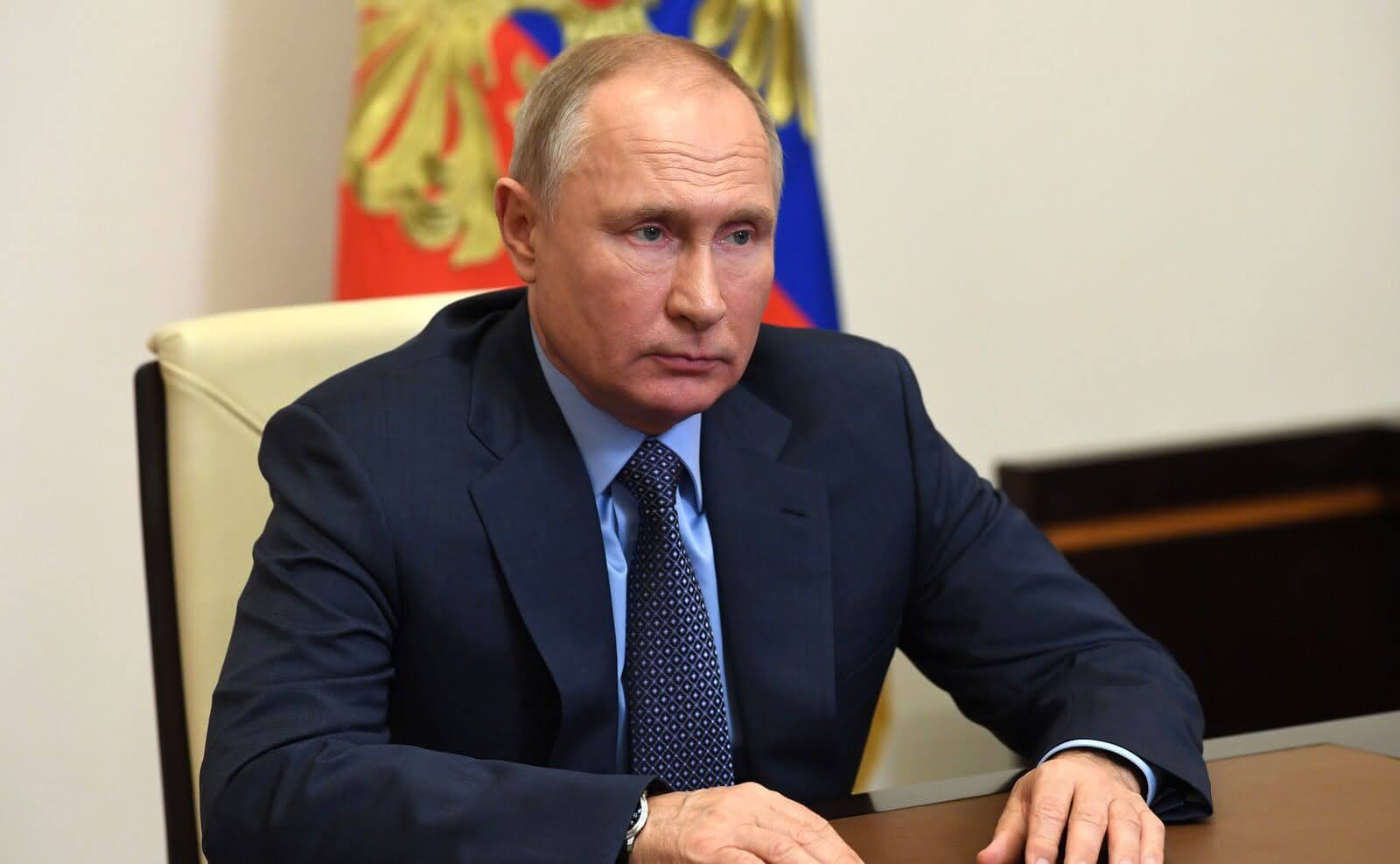
The diplomatic spotlight, however, has been shared. Russian President Vladimir Putin met with Chinese President Xi Jinping, praising their partnership as being at an “unprecedentedly high level.” The two leaders used the opportunity to reinforce their strategic coordination ahead of a massive Victory Day military parade. The warm exchange, in which Putin called Xi a “dear friend,” highlights the deep bond between the two nations, which are increasingly aligned on a range of global issues.
The parade itself is the centerpiece of the gathering. It is designed to mark the 80th anniversary of the defeat of Japan in World War II, and will feature a grand display of military power, including marching formations, tanks, and fighter jets. According to analysts, the guest list of leaders from across the globe underscores a growing bloc seeking to create alternatives to Western-led institutions. The event is a show of unity and strength, signaling a new geopolitical reality.
Beyond the public show of force, significant agreements were made behind closed doors. China and Russia sealed a major deal for the Power of Siberia 2 pipeline, which will provide China with up to 50 billion cubic meters of natural gas annually for three decades. This landmark energy agreement solidifies their long-term economic partnership. China also announced visa-free travel for Russian citizens, a move that will foster closer ties and promote tourism and cultural exchange.
As the parade preparations continue, a Kremlin aide hinted at a potential meeting between Putin and Kim Jong-un, further fueling excitement and raising questions about a potential trilateral alliance. Xi Jinping also underscored the importance of closer China–Russia–Mongolia cooperation, signaling a broader regional vision. The convergence of these events and leaders points to a strategic re-calibration of global power, with Asia at the very heart of the shift.