
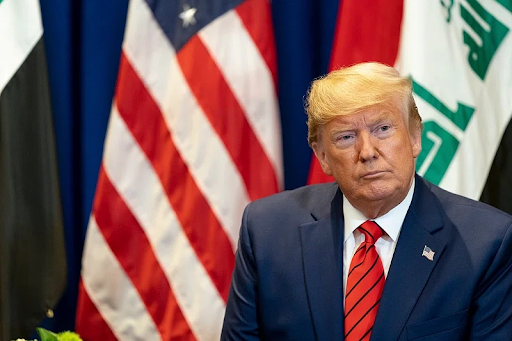
The legal justification for a large portion of Donald Trump’s tariffs—that they were a response to a national emergency—has failed in federal court. An appeals court ruled that his administration illegally used the International Emergency Economic Powers Act (IEEPA) to impose duties on global imports.
The court found that the former president’s interpretation of “national emergency” to include the U.S. trade deficit was an improper stretch of the law. The judges concluded that the IEEPA was designed for more specific and acute threats to national security, not for managing long-term economic trends.
This decision throws into question the legitimacy of the many trade deals the Trump administration negotiated. These agreements were often a direct consequence of the tariff threat. With that threat now legally removed, the foundation of those deals has been severely weakened.
The case is now on a path to the Supreme Court, which will be tasked with resolving this high-stakes dispute over presidential power. The ruling will have lasting implications for how future presidents can use emergency declarations and the degree to which they can act without congressional consent on major policy issues.