
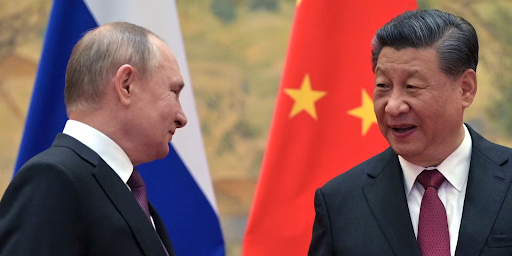
President Vladimir Putin is framing a great economic divide in global politics, pitting the cooperative Russia-China model against what he terms the West’s coercive use of “discriminatory sanctions.” His remarks before the SCO Summit draw a sharp contrast between two competing visions for the future of the global economy.
On one side, he presents the Western model, which he argues uses economic penalties to hinder the socioeconomic development of rivals, particularly the BRICS nations. He condemned these sanctions, imposed over the Ukraine war, as illegitimate tools that harm the “world at large.”
On the other side, he showcased the Russia-China model of partnership. This, he explained, is characterized by soaring bilateral trade (up $100 billion since 2021), a mutual commitment to reducing trade barriers, and a strategic shift to national currencies to ensure financial sovereignty.
Putin is taking this argument to the SCO summit to persuade other nations to align with the latter model. He is making a case that the path to prosperity and stability lies in Eurasian integration and cooperation, not in participation in a Western-led system that he claims weaponizes economic policy.